So yes, we all need to carry papers everywhere we go.
ID cards became widespread during the World Wars (1914-1945), mandated by governments for security, conscription, and rationing, evolving from earlier, less formal identification systems like those used by Napoleon or for specific workers/aliens. While earlier forms existed (like worker passes in France 1803, or registration in the Ottoman Empire 1844), it was the crises of the 20th century that drove the creation of mandatory, national ID systems for most citizens.
Early precursors
19th Century: Napoleon introduced internal ID documents for workers in France (early 1800s).
1844: Ottoman Empire implemented national ID cards.
1903: Massachusetts issued the first state-sponsored license plates for car owners.
1936: U.S. began distributing Social Security number cards, a form of personal ID.
1938-1940: UK and other countries mandated ID cards for all residents.
The World War Era (The Big Push)
World War I: First national registration for military conscription in the UK.
World War II: Formal, folded ID cards became essential for daily life, used for rationing and tracking, with systems in the UK, Germany, and the U.S. (Alien Registration Act of 1940).
Post-War & Modern Era
1950s: Many countries, including the UK, abolished mandatory ID cards after WWII due to public resentment, but the systems paved the way for modern IDs.
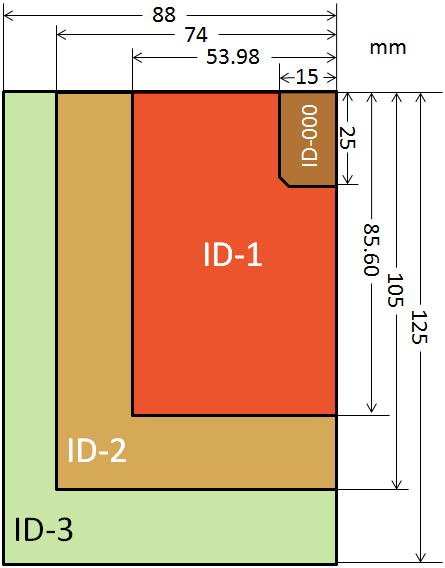
1985: International Organization for Standardization (ISO) created a universal standard for ID cards.

en.wikipedia.org